



HR decisions are becoming more complex every day. From talent acquisition and performance management to engagement and retention, HR teams juggle data from multiple systems, making it difficult to extract meaningful insights quickly.
This rising complexity has fueled demand for HR analytics tools. The HR analytics market was valued at USD 5.2 billion in 2024 and is expected to reach USD 12.4 billion by 2033, growing at a steady CAGR of 10.3% from 2026 to 2033.
Organizations are adopting these solutions to simplify decision-making, identify workforce trends, and align HR strategies with broader business goals.
In this blog, we’ll explore how HR analytics software enables HR teams to make data-driven decisions that improve performance, engagement, and organizational outcomes.
At a glance:
- HR analytics tools turn complex workforce data into actionable insights for better decision-making across recruitment, performance, engagement, and retention.
- The HR analytics market is rapidly growing, showing increasing adoption of data-driven HR strategies worldwide.
- Modern platforms consolidate data, visualize trends, and predict workforce needs, enabling proactive HR planning.
- Using HR analytics improves employee performance, engagement, retention, and aligns HR strategies with organizational goals.
- Selecting the right tool requires evaluating objectives, integration, scalability, reporting, security, and ease of adoption.
What is an HR Analytics Tool?
An HR analytics tool is software that collects, integrates, and analyzes workforce data to help HR teams make smarter, evidence-based decisions. Rather than relying on gut feeling or fragmented spreadsheets, these tools turn raw data into actionable insights on performance, engagement, retention, and overall workforce effectiveness.
Modern HR analytics platforms go beyond basic reporting. They combine metrics from multiple HR systems, visualize trends in dashboards, and highlight areas that need attention.
For example, you can track employee performance patterns, predict attrition risks, or monitor engagement levels across teams, all in real time.
By providing a clear, data-driven view of the workforce, HR analytics tools empower HR leaders to move from reactive decision-making to proactive, strategic planning. Whether it is optimizing talent management processes, aligning goals with business objectives, or identifying skill gaps, these tools make HR decisions measurable, accountable, and impactful.
Why Organizations Need HR Analytics Tools
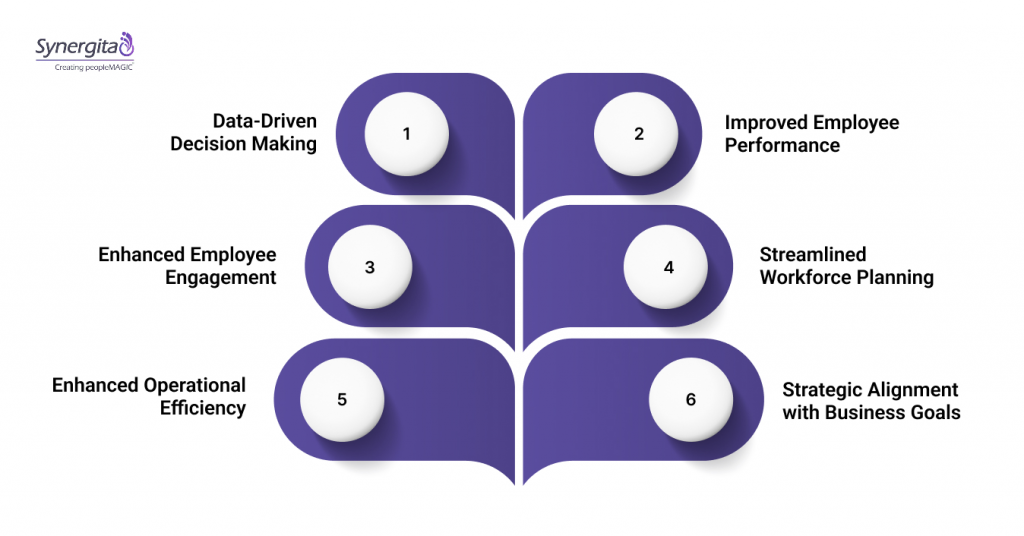
HR analytics tools provide HR teams with a clear, data-backed perspective that drives smarter decisions across the organization. Here’s how these platforms create tangible impact:
- Data-Driven Decision Making: HR leaders can base their decisions on concrete insights rather than assumptions. Workforce data guides everything from recruitment strategies to performance improvement plans.
- Improved Employee Performance: By tracking performance trends, managers can identify high performers, pinpoint skill gaps, and provide targeted development opportunities. Continuous insights help teams stay aligned with organizational goals.
- Enhanced Employee Engagement and Retention: Analytics tools highlight engagement patterns and early signs of disengagement. HR can take proactive steps to improve morale, reduce turnover, and retain top talent.
- Streamlined Workforce Planning: With predictive analytics, HR teams can forecast staffing needs, succession planning, and skill requirements. This ensures the right talent is in the right place at the right time.
- Enhanced Operational Efficiency: Automation and real-time reporting minimize manual data handling and errors, allowing HR teams to focus more on strategic priorities instead of administrative work.
- Strategic Alignment with Business Goals: By connecting HR metrics with organizational objectives, leaders can ensure that talent strategies support overall business outcomes. Insights from analytics help drive measurable results.
Using HR analytics tools transforms HR from a reactive function into a strategic partner that actively shapes organizational growth and employee success.
Also read: Set Effective Team Goals with Real-World Examples and Tracking Tips
Top 10 HR Analytics Tools for Data-Driven HR Decisions
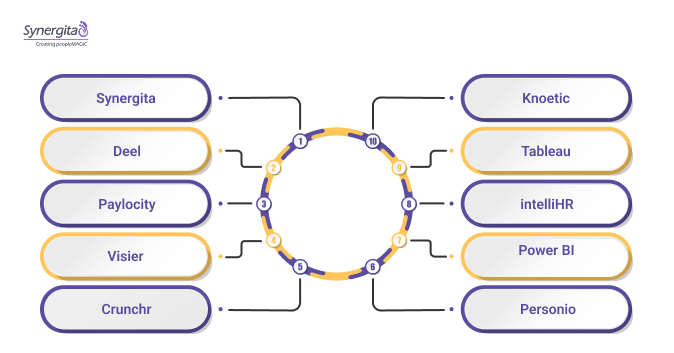
Choosing the right HR analytics tool can be overwhelming with so many options available. The ideal platform not only collects and visualizes HR data but also provides actionable insights that help HR teams make smarter decisions, enhance performance, and boost employee engagement.
Below, we highlight one of the most robust solutions and its capabilities.
1. Synergita
Synergita offers powerful analytics features embedded within its performance and engagement modules, helping HR teams make data-driven decisions. It combines goal tracking, appraisals, feedback, and employee engagement with insightful dashboards and reports, giving leaders visibility into workforce performance trends and organizational alignment.
Key Features:
- Real-Time Analytics Dashboards: Synergita offers interactive dashboards that provide real-time insights into employee performance, engagement levels, and goal progress. These visualizations help HR professionals and managers monitor trends and make timely interventions.
- Goal Alignment and OKR Tracking: The platform enables alignment of individual, team, and organizational goals using the OKR framework, ensuring everyone works toward shared objectives.
- Customizable Reporting: HR teams can generate customizable reports to analyze performance trends, identify skill gaps, and plan for employee development, all tailored to the organization’s specific needs.
- AI-Powered Sentiment Analysis: With the use of natural language processing, Synergita analyzes employee feedback to gauge sentiment and organizational culture, providing insights into employee emotions and engagement.
- Integrations: Offers seamless connections with HRIS, ERP, LMS, and SSO systems, ensuring consistent employee data across platforms, reducing errors, and supporting unified HR and performance management workflows.
2. Deel
Deel provides built-in analytics to help HR and finance teams manage a distributed workforce. It offers visibility into global payroll, compliance, and headcount data across multiple regions.
Key Features:
- Workforce Metrics Dashboard: Tracks headcount, turnover, and payroll trends across locations.
- Compliance Monitoring: Flags risks tied to regional employment laws and contractor status.
- Integration with HR Systems: Connects with HRIS and accounting tools for consolidated reporting.
3. Paylocity
Paylocity combines HR, payroll, and performance data in one platform, giving growing companies a clear view of workforce metrics. It’s designed for small to mid-sized teams that want automation and accessible reporting without complexity.
Key Features:
- Workforce Dashboards: Visualizes key HR metrics like headcount, turnover, and engagement.
- Customizable Reports: Lets HR teams design reports that fit their specific metrics and cycles.
- Engagement Tracking: Links performance and survey data to employee satisfaction indicators.
4. Visier
Visier provides HR teams with a structured platform to analyze workforce performance, retention, and hiring data. With built-in analytics models and predictive tools, it supports better decision-making across employee lifecycle management.
Key Features:
- Pre-Configured Workforce Models: Access ready-to-use analytics templates for faster insight generation.
- Predictive Analytics: Forecast turnover, performance outcomes, and future talent needs.
- Scenario Planning Tools: Model different workforce strategies to guide HR planning.
5. Crunchr
Crunchr is designed specifically for HR analytics and workforce planning. It enables organizations to analyze employee data, spot trends, and forecast workforce needs using intuitive, visual dashboards.
key Features:
- Predictive Analytics: Identifies attrition risks and performance trends before they impact results.
- People Data Integration: Merges data from HR, payroll, and engagement systems into a unified model.
6. Knoetic
Knoetic combines people analytics with a social knowledge platform for HR leaders. It helps organizations connect workforce data with peer insights to make better talent and retention decisions.
Key Features:
- Engagement and Performance Metrics: Tracks engagement survey results and connects them with performance data.
- Benchmarking and Peer Comparisons: Lets HR leaders compare metrics with industry peers through the CPOHQ network.
- Retention and Attrition Insights: Identifies turnover risks using predictive analytics.
7. Tableau
Tableau helps HR teams visualize and analyze workforce data from multiple sources in one place. It enables a clearer understanding of trends in performance, retention, and engagement through customizable dashboards and real-time analytics.
Key Features:
- Interactive Dashboards: Visualize HR metrics such as turnover, hiring trends, and diversity insights.
- Real-Time Data Integration: Connects with HRIS, ATS, and payroll systems for continuous data syncing.
- Predictive Insights: Uses built-in analytics to forecast workforce patterns and risks.
8. intelliHR
intelliHR focuses on performance management and people analytics, offering a data-rich platform that helps HR leaders measure engagement, culture, and employee growth.
Key Features:
- Employee Sentiment Tracking: Analyzes engagement trends using pulse surveys and continuous feedback.
- Performance and Development Metrics: Tracks goal progress, learning milestones, and performance reviews.
- Predictive Insights: Identifies patterns in turnover, performance, and engagement over time.
9. Power BI
Power BI brings HR data together from multiple systems, helping teams create clear, visual reports that support strategic decisions. It’s widely used for tracking KPIs such as turnover, hiring trends, and employee performance in real time.
Key Features:
- Unified Data Views: Consolidates data from HRIS, payroll, and engagement systems into one dashboard.
- Interactive Visualizations: Builds dynamic charts and visuals to highlight workforce trends.
- Custom HR Metrics Tracking: Allows HR teams to define and monitor KPIs aligned with business goals.
10. Personio
Personio is an all-in-one HR software designed for small and mid-sized businesses in Europe. Its analytics features simplify workforce reporting and provide data-driven insights across HR operations.
Key Features:
- Custom Metrics Builder: Allows HR teams to define and track organization-specific KPIs.
- Visual Reports and Dashboards: Provides instant visibility into hiring, turnover, and absenteeism trends.
With these solutions, HR teams can move beyond spreadsheets and guesswork, utilizing data to align goals, monitor trends, and make decisions that truly impact business outcomes.
Also read: Measuring HR Success: Key Metrics Every Leader Should Know
How to Pick an HR Analytics Tool for Your Organization
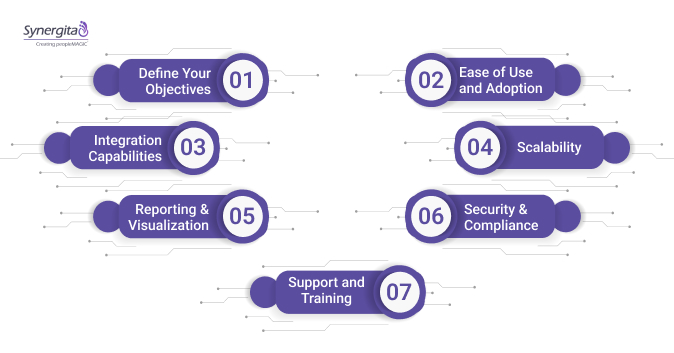
Choosing the right HR analytics tool can make a significant difference in how effectively your organization leverages data for people decisions. Not all tools fit every team or business model, so it’s important to consider the following factors before committing:
- Define Your Objectives: Start by identifying what you want to achieve. Are you looking to track employee engagement, optimize workforce planning, or improve performance management? Clear objectives will guide which features matter most.
- Ease of Use and Adoption: The tool should be intuitive for HR teams and managers. A steep learning curve can slow adoption and limit the value you get from analytics.
- Integration Capabilities: Ensure the tool can connect with your existing HR systems, payroll, and other data sources. Seamless integration helps consolidate data and avoids manual workarounds.
- Scalability: Your HR analytics needs will evolve as your organization grows. Choose a platform that can scale with additional users, data volume, and more advanced analytics requirements.
- Reporting and Visualization: Look for robust reporting features and dashboards that present insights in a clear, actionable way. Visualizations help stakeholders quickly grasp trends and take informed actions.
- Security and Compliance: HR data is sensitive. Confirm that the platform complies with relevant data protection regulations and offers strong security measures to safeguard employee information.
- Support and Training: A reliable support system and onboarding resources can make a big difference in successful implementation and ongoing use.
By evaluating these factors, you can select an HR analytics tool that aligns with your organization’s goals, ensures smooth adoption, and maximizes the value of your people data.
Wrapping Up
HR analytics has become essential for strategic HR. The right tools give visibility into workforce trends, engagement, performance, and skill gaps, enabling informed decisions quickly instead of relying on guesswork. These insights improve employee experiences, team effectiveness, and overall business outcomes.
Platforms like Synergita combine performance management, OKRs, engagement, and analytics in one place. Its dashboards, AI-driven insights, and real-time tracking make it easy to identify trends, align goals, and act on data that matters.
To move toward proactive, data-driven HR strategies, book your demo today and turn your HR data into actionable insights.
FAQs
1. What are HR analytics tools?
HR analytics tools collect, process, and analyze workforce data, providing insights to improve recruitment, engagement, performance, and retention. They help organizations make data-driven HR decisions.
2. How do HR analytics tools benefit organizations?
They enhance decision-making, reduce turnover, optimize hiring, improve performance management, and align workforce strategies with business goals, making HR functions more efficient and effective.
3. What key features should I look for in an HR analytics tool?
Look for data integration, intuitive dashboards, predictive analytics, customizable reporting, and strong security and compliance to ensure actionable insights and regulatory adherence.
4. Are HR analytics tools suitable for small and medium-sized businesses (SMBs)?
Yes. Many tools are scalable and user-friendly, offering SMBs insights similar to enterprise solutions without unnecessary complexity.
5. How can HR analytics tools improve employee engagement?
They track engagement levels, identify drivers, and enable targeted interventions, helping organizations boost morale, motivation, and overall employee commitment.
6. What is the ROI of implementing HR analytics tools?
ROI comes from reduced turnover, faster hiring, improved productivity, and strategic alignment, ensuring HR initiatives support business goals effectively.